Two names, one thumbnail swish — and two genuinely different dresses. Listings swap “A-line” and “fit-and-flare” as if they were synonyms, but the waist seam never lies. This is the test that tells you which silhouette you are actually looking at.
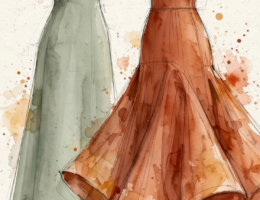
Two names, one thumbnail swish — and two genuinely different dresses. Listings swap “A-line” and “fit-and-flare” as if they were synonyms, but the waist seam never lies. This is the test that tells you which silhouette you are actually looking at.
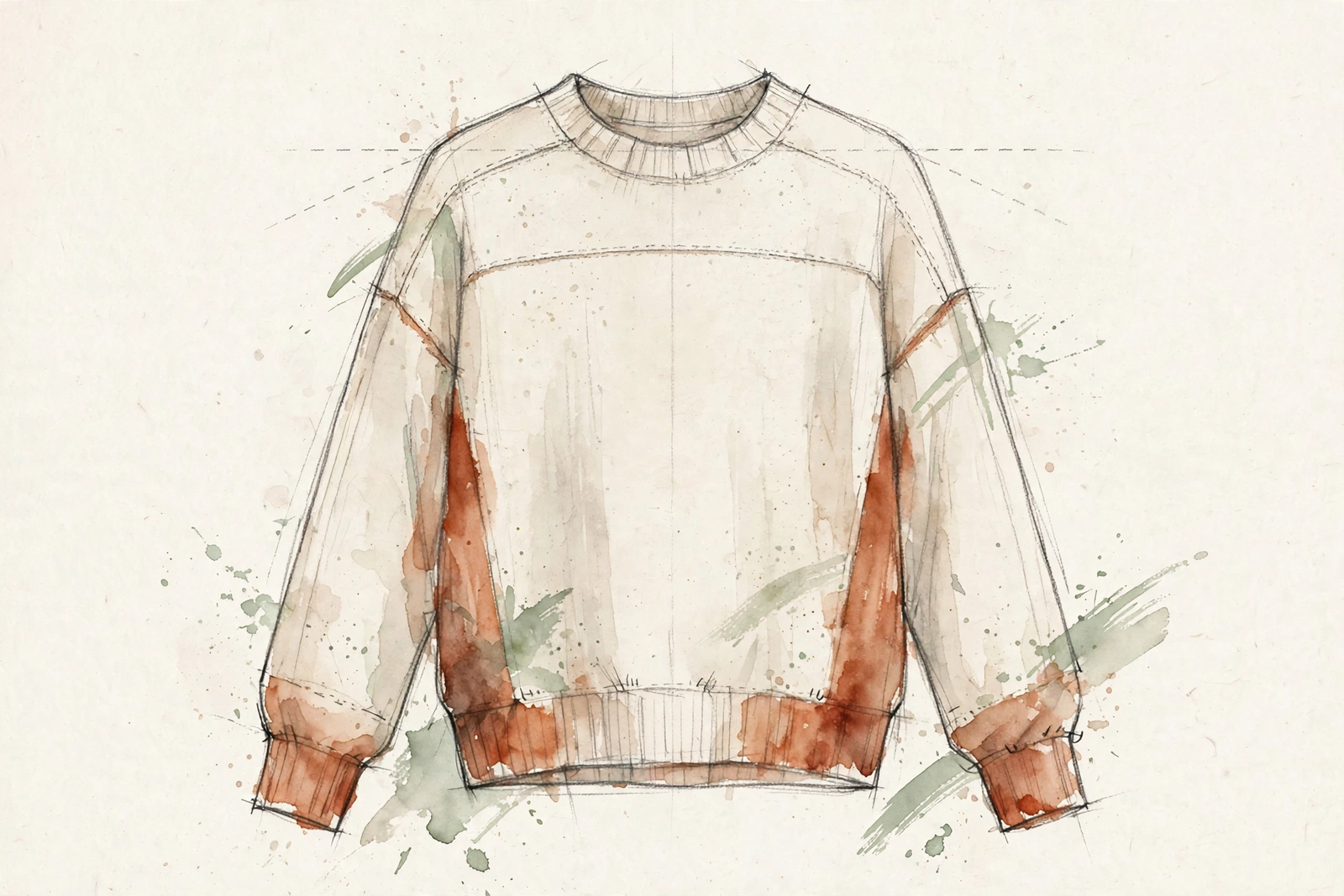
Drop shoulder is a pattern detail, not a size. Find the shoulder seam: if it sits inches below your shoulder point, the relaxed drape is designed in — here is how to judge it before you buy.
The tiny hole at the front of your favourite T-shirt is not bad luck — it is abrasion, and it follows a map. Three repairs ranked by hole size, and the honest rule for when to retire the shirt instead.
Pills aren’t dirt, damage, or proof you bought a bad sweater — they’re the sweater’s own fibers, worked loose by friction. How to remove them safely, slow them down, and read them as a quality signal.

Brown is dominating autumn coverage for the second year running. That changes the buying question — here’s a three-question test for whether it’s becoming a neutral in your wardrobe, and how much to buy at each answer.

Nine work pieces you probably already own, five named formulas, and a two-week rotation with no exact repeats. The trick isn’t more clothes — it’s planning repetition instead of apologizing for it.

Dressed for the cold outside, melting by the time you’re inside. The fix: a three-layer system with a peel order.

Forget the giant “what to wear to every wedding” guides. Three inputs — formality, venue, context — point to your outfit direction.

Your products are scattered across every surface. The fix isn’t more organizers — it’s zones. Daily, weekly, storage.

Twelve steps look great on video. You have ten minutes. The order-of-operations blueprint — and what to skip when you have five.