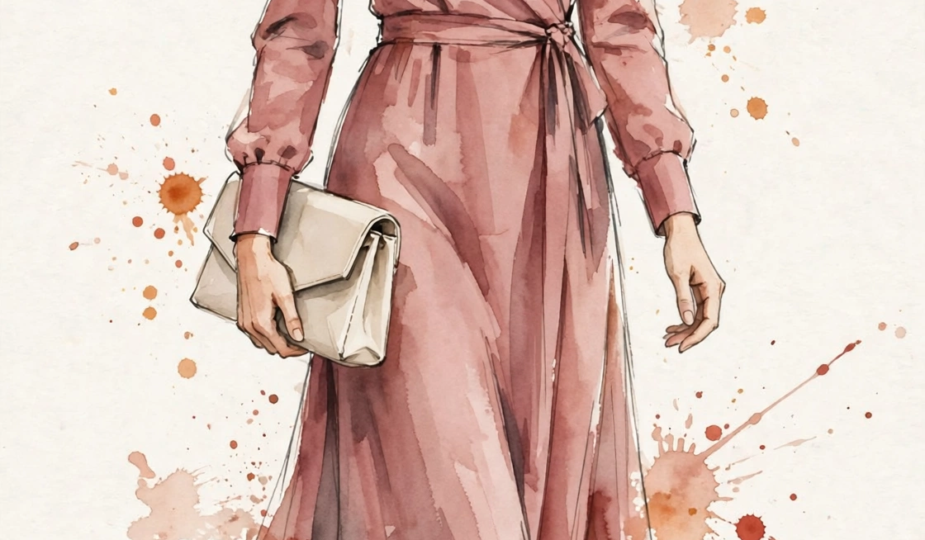
The invitation says "cocktail attire." The wedding is outdoors. In July. You're the groom's college friend, not family. So what does "cocktail attire" actually mean here?
This is the article that giant wedding guides can't write — because the answer isn't a dress, it's a decision. Formality × venue × context → outfit direction. Three inputs, one framework, and you'll never stare at an invitation in confusion again. (For the general skill of dressing to unclear codes, our ambiguous-formality guide is the companion piece.)
Input 1: Formality — set the dial
Same dial method, wedding edition. Read the invitation and set the level:
- Daytime / semiformal: garden party level. Midi dresses, tailored separates, dressy flats or block heels. Think celebration, not ceremony.
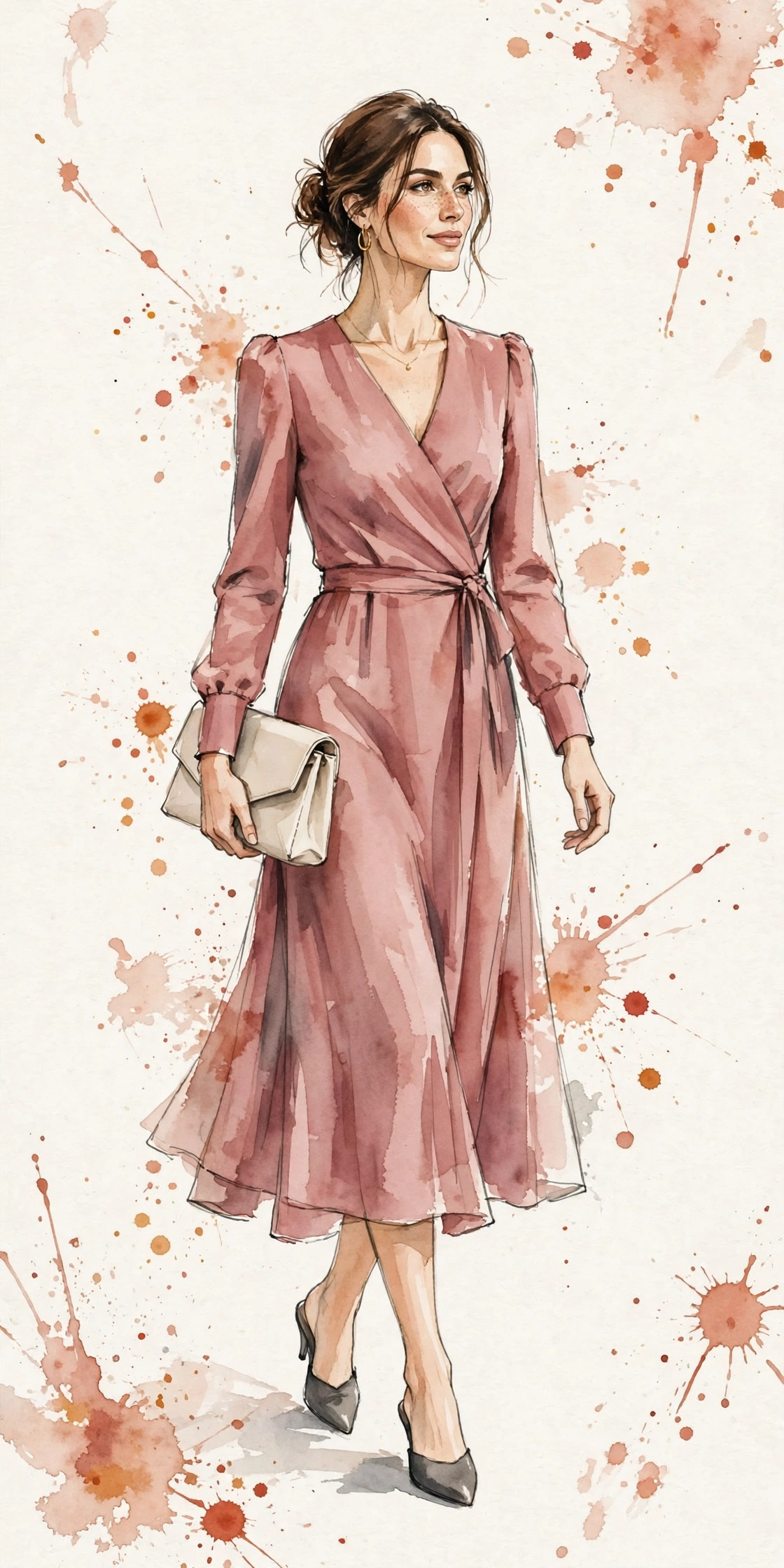
- Cocktail: the most common wedding code. Knee-to-midi dresses with some structure, elevated separates, heels you're comfortable standing in for hours.
- Black-tie optional: floor-length or very dressy midi, refined fabrics, real jewelry. When in doubt between cocktail and this, choose this — overdressed beats underdressed at weddings.
No code listed? Default to cocktail, then adjust with the next two inputs.
Input 2: Venue — the ground truth
The venue overrides the invitation when they conflict. A "cocktail attire" wedding on a beach is not a cocktail-attire wedding:
- Church / traditional venue: cover shoulders for the ceremony (a wrap solves it), hemlines at or below the knee.
- Outdoor / garden: block heels or flats (stilettos sink), fabrics that move in breeze, a layer for evening temperature drop.
- Ballroom / evening: the invitation means what it says — dress to the code fully.
- Beach / destination: formal fabrics look wrong in sand; choose fluid, elegant, and flat-footed.
- Courthouse / intimate: semiformal is plenty; the scale of the event sets the scale of the outfit.
Input 3: Context — your role
- Close to the couple: you'll be in photos. Dress like it.
- Plus-one / distant: blend in, comfortably. This is not your showcase.
- Cultural or religious elements: when the invitation hints at them (or you know the family), respect beats style. Ask if unsure — it's always welcome.
- Time of day: daytime weddings run lighter (colors, fabrics); evening weddings run richer.
The three formulas
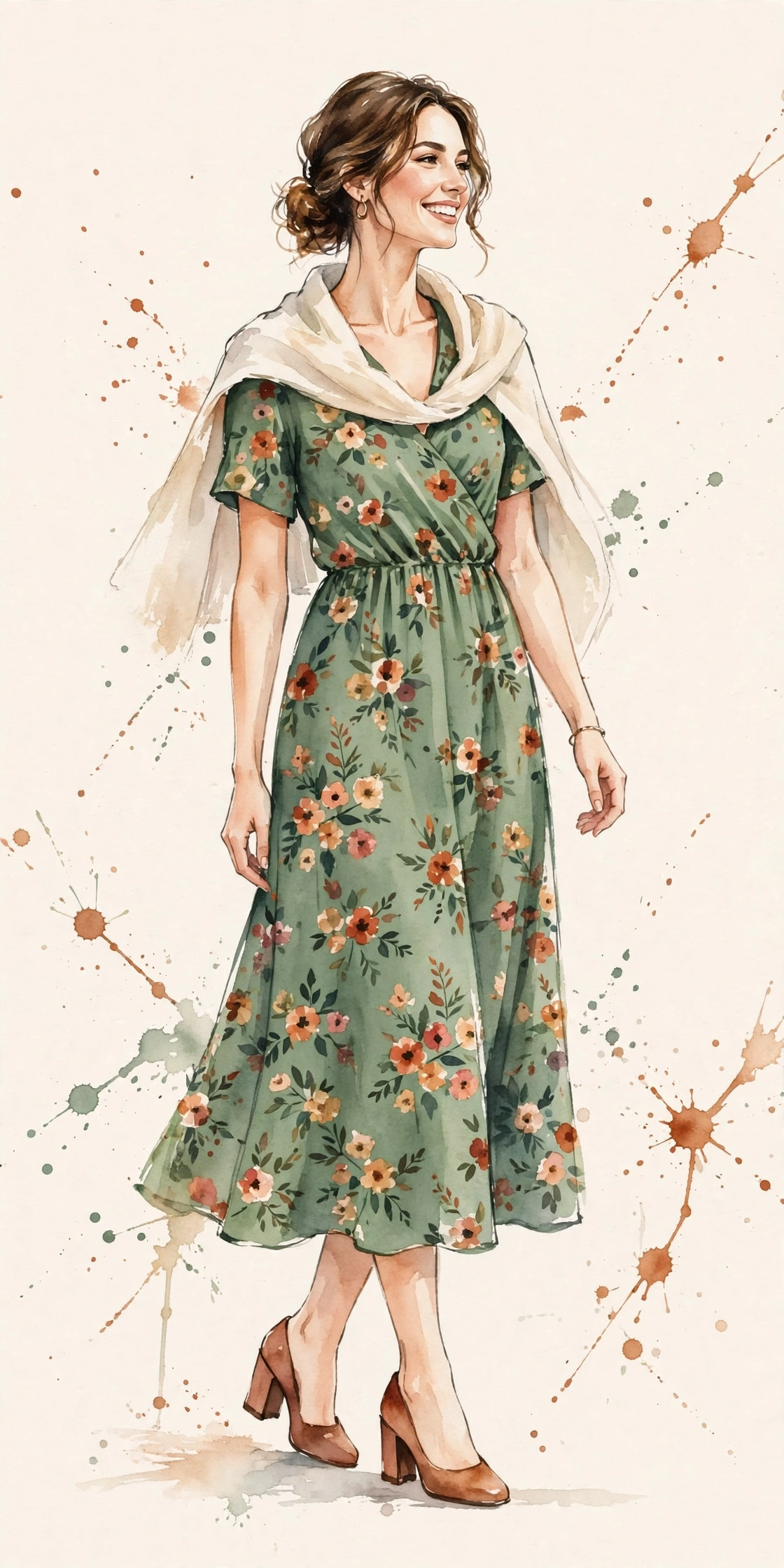
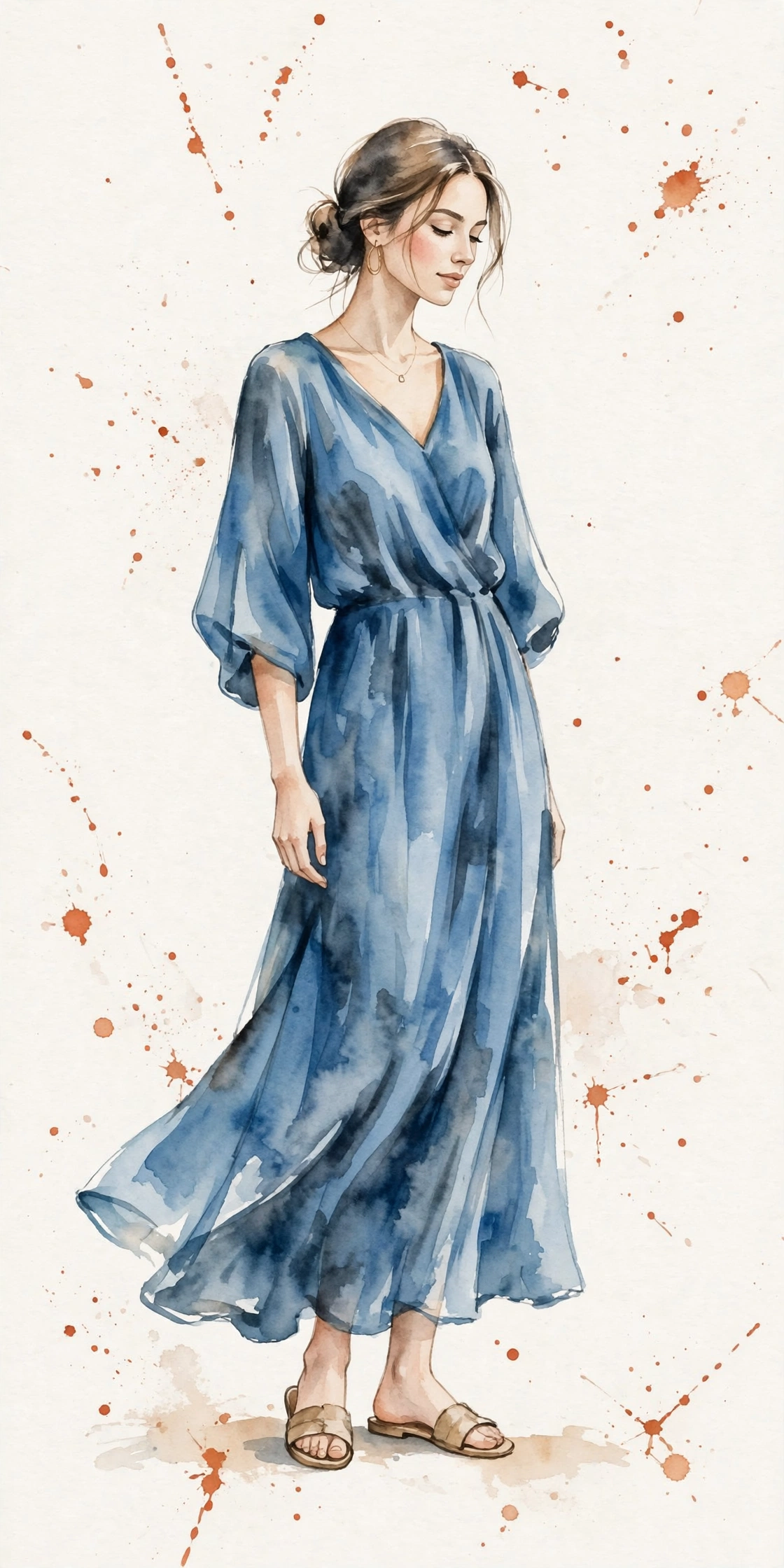
Garden daytime: midi dress in a celebratory color + block heels + wrap for shoulders. Dial: semiformal. Venue: outdoor.
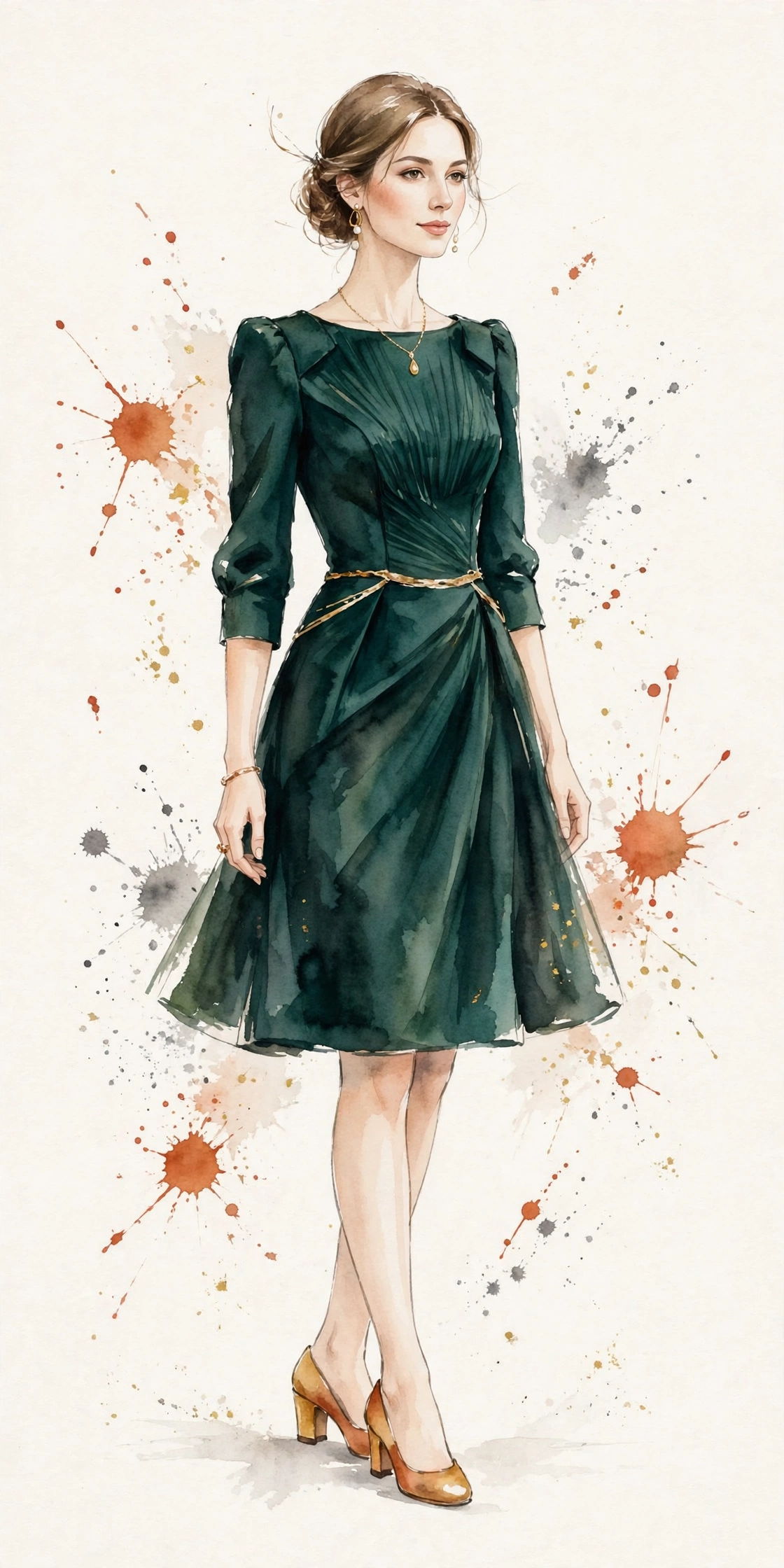
Evening ballroom: structured cocktail dress + comfortable heels + real jewelry. Dial: cocktail. Venue: formal indoor.
Beach destination: fluid midi or maxi + elegant flats + minimal jewelry. Dial: semiformal. Venue: sand — the ground truth wins.
The don't list
- White, ivory, champagne, or anything photographable as white. The only person in white is the bride. This rule has no exceptions.
- Upstaging the couple. If your outfit would draw attention in the wedding photos, it's wrong — no matter how good you look.
- Too casual. Jeans, shorts, and flip-flops are never wedding-appropriate, whatever the venue.
- Uncomfortable shoes. You'll stand, walk on grass, and dance. Plan for the day you're actually attending.
What the framework gives you
Every wedding invitation becomes a three-input problem instead of a crisis. Set the dial, check the venue, know your role — and the outfit direction follows. The giant guides list every possible wedding; this one teaches you to read the one you're actually invited to.