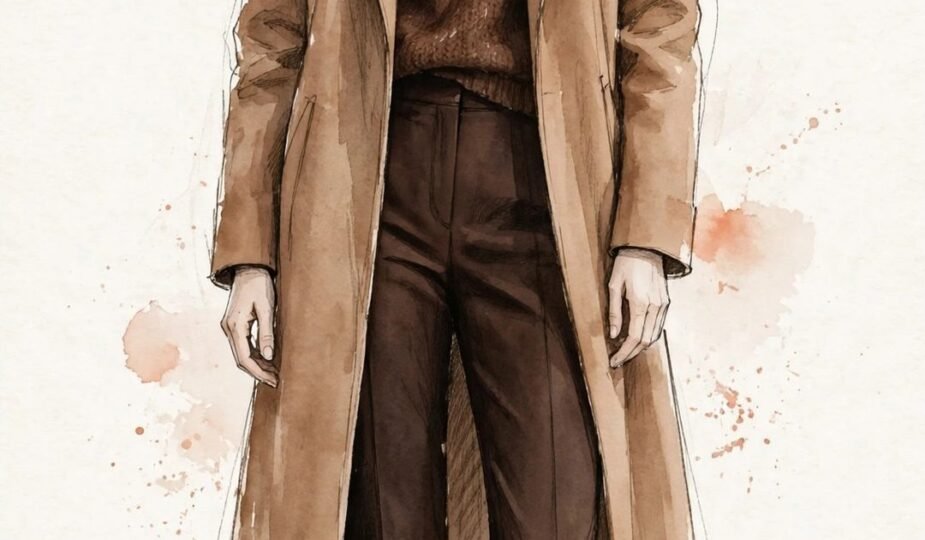
Last autumn, chocolate brown was the story. This autumn, it’s the story again — fashion coverage has put it at the center of the season for the second year running, and in between, Pantone named a soft brown, Mocha Mousse, its Color of the Year for 2025. When a color behaves like that, the interesting question is no longer “is brown in?” It obviously is. The question is what a second season means for the person standing in a shop, holding a brown sweater, trying to decide.
Because the two possible mistakes are opposites. Mistake one: treat brown as a trend purchase — buy several pieces at once, wear them together all season, and own a coordinated set that dates as a unit. Mistake two: treat it as only a trend — refuse it entirely, and miss the fact that in your wardrobe, in the right slot, brown has quietly started doing the job black and navy do. The first mistake costs money. The second costs usefulness. A color’s second season is exactly when you can tell which mistake you’re about to make.
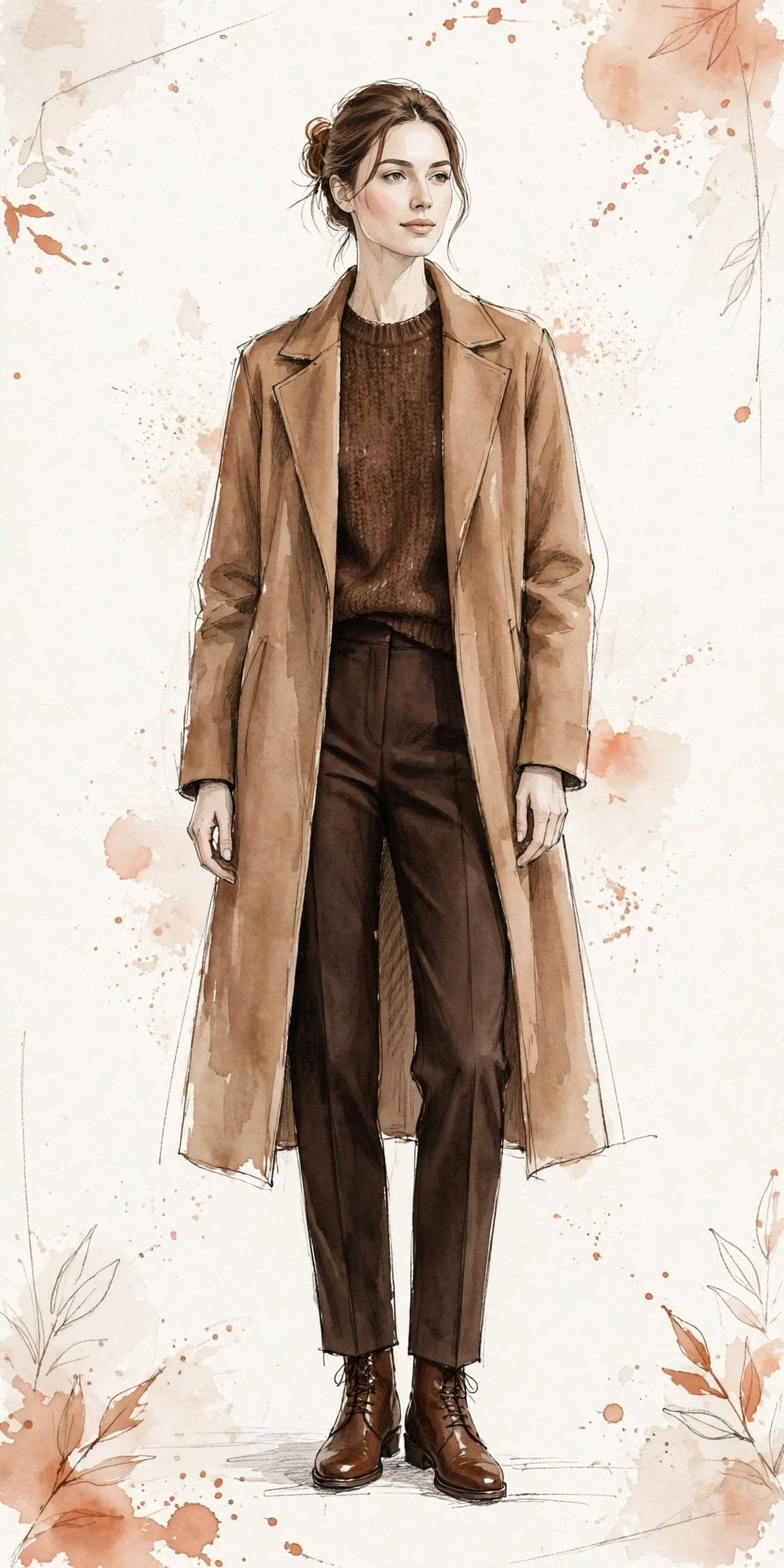
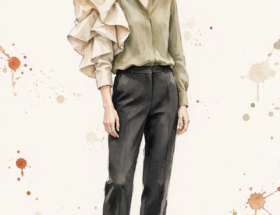
Illustration: The Brands Souk (original work).
What a second season actually changes
In its first season, a trend color is a novelty. It appears in statement pieces, editorial outfits, and the front of shops; wearing it says I follow fashion. In its second season, something subtler happens: the color migrates into the garment slots that neutrals occupy. It shows up in trousers, coats, knitwear, bags, and boots — the infrastructure of a wardrobe, not the decoration. That’s the pattern the current coverage describes: brown worn in place of black, brown trousers swapped into existing outfits, brown bags replacing the black everyday bag.
That migration is evidence — but evidence about the color, not about your closet. A color can become a genuine neutral in the culture and still be useless in a wardrobe whose palette it doesn’t join. So the decision can’t be outsourced to the trend’s longevity. It has to be run against your own clothes. Three questions do it.
The neutral test
1. Does it fill a neutral’s job? A neutral is not a color family; it’s a job description — a piece that pairs with most of what you own and asks for no special occasion. Brown passes this test in the slots where you already wear black, navy, or gray: trousers, a coat, an everyday bag, boots, a knit you’d wear with everything. It fails the test in slots that are statements by design — the dramatic dress, the head-to-toe look. If the brown piece you’re considering would sit in a neutral’s slot, you’re evaluating a neutral. If it sits anywhere else, you’re evaluating a trend piece, and it should be bought like one: singly, and at a price you’d accept for a shorter life.
2. Does the shade fit your existing palette? “Brown” is not one color, and the family splits in ways that matter. Chocolate and espresso are deep and warm-leaning; mocha and taupe run softer and grayer; camel and tan are lighter and yellower. The deep browns sit closest to the classic neutrals and combine the way black does — with cream, denim, black itself, navy, burgundy. The lighter browns are more visibly a choice, and they date faster because they read as a specific moment’s shade. Then there’s your own coloring: warm browns flatter warm-toned skin and hair; if your wardrobe and coloring run cool, the grayer browns — espresso, taupe-brown — bridge far better than golden camel. Hold the piece against three things you already own and wear often. If it combines with all three without effort, the palette question is answered.
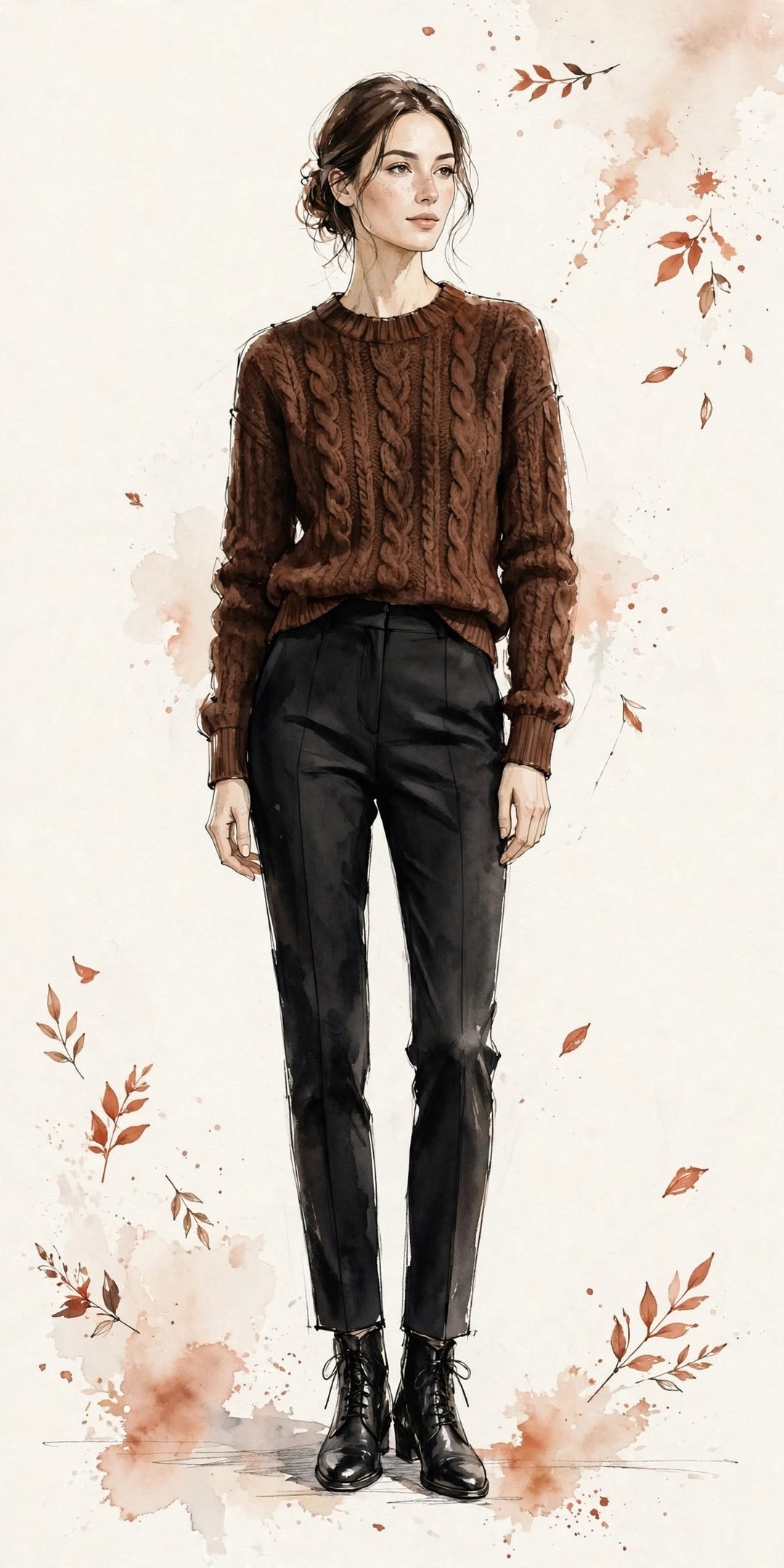
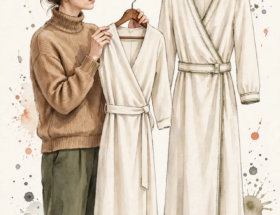
Illustration: The Brands Souk (original work).
3. Would you want it with the coverage gone? This is the question our trend-or-timeless framework asks of every trend, and brown’s second season makes it sharper, not softer. Strip away the runway photos and the shop windows. Is a pair of well-fitting chocolate trousers still a thing you’d reach for in three years, next to the black ones? For many women the honest answer — now that they’ve seen brown worked, not just announced — is yes, and that yes is worth trusting. If the appeal evaporates without the coverage, the appeal was the coverage. That’s a legitimate purchase too; it’s just a trend purchase, with a trend purchase’s budget and quantity: one piece, not a palette overhaul.
Buy at the level your answers earned
The test’s real use is that it sets a quantity, not just a yes or no.
- Level one — one accessory. If brown is new to your wardrobe or the palette test was shaky: a bag, a belt, or boots. This is the genuine experiment — one piece, worn against everything you own, for one season. It will tell you more than any article can.
- Level two — one core piece. If it fills a neutral’s job and passed the palette test: trousers, a knit, or a coat — bought to the standard of your other neutrals, because it will be worn like one. One piece, chosen slowly. Not three in the same month.
- Level three — the tonal outfit. Head-to-toe brown in mixed shades is the most beautiful version of this trend and the most trend-exposed. It belongs to the women whose test came back yes on all three questions and who already wear tonal outfits in other colors. If you’ve never dressed tonally in black or gray, brown is unlikely to be where you start.
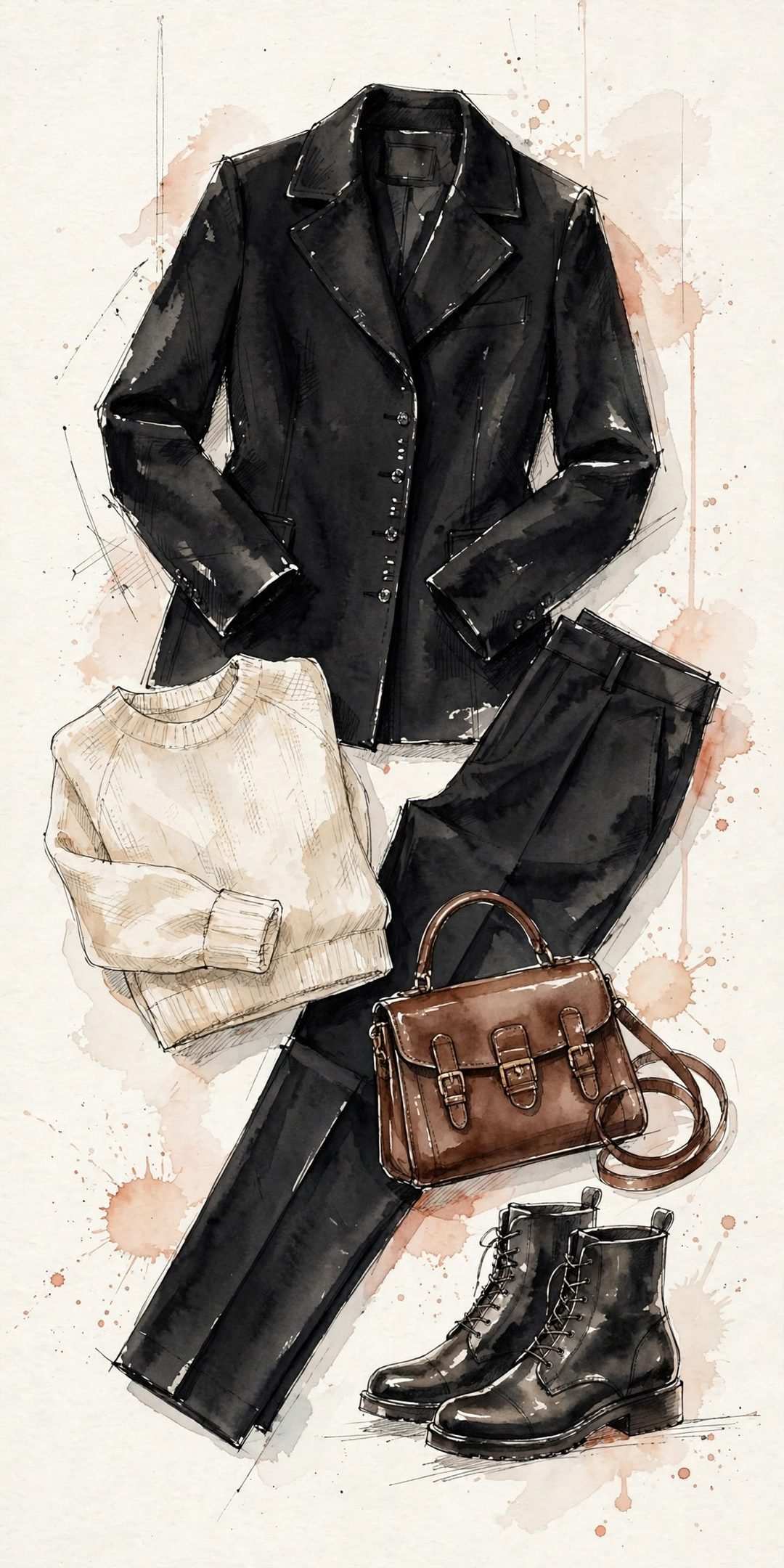
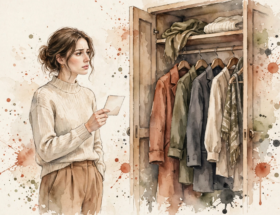
Illustration: The Brands Souk (original work).
And the option the trend coverage never mentions: adopt it at level zero. If you own a brown bag in a cupboard or brown boots from years ago, the second season may simply mean wearing them again, against the black and cream you already have. The cheapest way to participate in a color’s return is usually already in your closet — which is the general principle behind knowing the difference between a working basic and a filler: the job comes first, the shopping second.
So: trend or neutral?
Both, depending on the slot and the wardrobe — which is precisely what a second season reveals. Brown has earned a hearing as a neutral: two autumns of coverage, a Color of the Year, and a migration into trousers, coats, and bags say the color is doing infrastructure work now, not just decoration. But a neutral is only a neutral somewhere — in a specific closet, next to specific colors, on a specific person. Run the three questions against yours. If it passes, buy it like a neutral: one good piece, in a deep shade, expected to stay. If it doesn’t, buy it like a trend or not at all — and let the women whose palettes it fits enjoy their new black.